

S2K Commerce - Products Dropdown
Actions
S2K Commerce - Order Entry
Actions
My Father's World
Homeschool Curriculum Packages

DISCOVER
Preschool–3rd Grade
Preschool for 2s and 3s
This complete preschool program is packed with 36 weeks of easy-to-teach activities, fully scheduled and prepared for you and your child. Learn about 12 animals through finger plays, creative play, fabulous books, and colorful animal cookie cutters. We're excited about this fun, educational curriculum with Biblical values and character development!
See DetailsPre-K for 4s
In this complete program, children gain academic readiness skills with the alphabet and numbers and enjoy read aloud times. They'll learn about their community — post office, fire station, church, grocery store — and make delightful science discoveries. They'll develop fine and large motor skills and increase in cognitive skills. Most important, they'll learn God's truth and be encouraged to live it in their lives.
See DetailsKindergarten
This year-long hands-on learning adventure begins with a two-week focus on the Creation story from Genesis, followed by 26 hands-on, easy-to-teach thematic units (one letter each week). Each unit focuses on an alphabet letter linked to an object in God's wonderful creation and a biblical character trait. Science activities and hands-on projects reinforce each character trait. Also includes reading, math, creative thinking, children's literature, and art.
See DetailsFirst Grade
A complete curriculum with a phonics-based reading program that focuses on the Bible. God's story from Genesis to Revelation is read, narrated, and illustrated through more than 50 stories in the Bible Reader. Simple projects, such as making a Bible times costume, help students connect with the Word of God. The integrated lessons also include language arts, social studies, science, math, and art.
See Details2nd Grade
Explore U.S. history and patriotic symbols from a Christian perspective with fascinating stories, hands-on activities, a timeline, and a student-created history notebook. Students study the names of Jesus, learning about His character while reading from their own grade-level Bible. Science lessons correlate with the names of Jesus, and U.S. history spotlights the Biblical character of America's forefathers. Also includes U.S. geography, art, music, and more.
See Details3rd Grade
Focus on 32 world changers — people who made a difference for God's glory — with fascinating stories, hands-on activities, a student-created History Notebook, and a timeline. Create a time machine and travel back in time with this one-year overview of World History. Explore the world of science with an easy-to-teach introduction to inventions, chemistry, and physics. Develop STEM skills with pre-engineering building challenges, and enjoy nature walks with nature journaling.
See Details
INVESTIGATE
4th–8th Grade
Families new to My Father's World with students in 4th-8th grade begin the INVESTIGATE Family Learning Cycle with Exploring Countries and Cultures.
Each year, the family purchases one INVESTIGATE package and all of their 2nd-8th graders move to the next stage in the cycle together. After completing 1850 to Modern Times, the family returns to Exploring Countries and Cultures; then Creation to the Greeks, and so on until all children have completed 8th grade.
All of our INVESTIGATE packages provide Bible, geography, history, literature, science, music appreciation, and art activities for a range of ages. Our Teacher's Manuals explain what level of content should be taught to each child. A 7th grader, for example, completes assignments more thoroughly than a 3rd grader while using many of the same resources. The Family Learning Cycle keeps the family together when possible and assures that the parent is only teaching one complete curriculum package each year. Learn More About the Family Learning Cycle
4th-8th Grade
Theme 1
Take a trip around the world and explore diverse countries and cultures while being challenged by true stories of missionaries. See the physical and spiritual needs of mankind while learning about ecosystems and lifestyles in different parts of the world. Experience different cultures by preparing traditional food, making native crafts, and listening to ethnic music. This foundational year prepares students to view the upcoming study of chronological history with God's heart and mind.
See Details4th-8th Grade
Theme 2
Learn how the Biblical account fits in with other civilizations such as Egypt, Greece, and Babylon during this first year of a four-year chronological study of history—building on the foundation of Exploring Countries and Cultures. An overview of the Old Testament, which serves as a key history text, allows students to study the Bible and ancient history side by side. Old Testament stories and celebrations come to life as families experience the Old Testament feasts, the 10 plagues, and much more.
See Details4th-8th Grade
Theme 3
Follow us to the time of Roman civilization in our second year of chronological history. Learn how the Romans set the stage by their Pax Romana for the central event of all history—the birth of Jesus. Gain an overview of the New Testament and the life of Jesus. Follow the development of the church and study the Middle Ages, culminating with the Renaissance and Reformation. Science focuses on the human body and astronomy, viewed from a Biblical perspective.
See Details4th-8th Grade
Theme 4
Explore the New World with Leif Ericsson, Christopher Columbus, and others in our third year of chronological history. Discover the amazing story of the U.S. from colonial times to the California gold rush and learn about the courage and faith of many who came to America. Investigate world history and cultures, and see how U.S. and world history are interrelated. God's creative hand is revealed through scientific study of plants and animals.
See Details4th-8th Grade
Theme 5
The fourth and final year of our chronological study of history. Enjoy learning U.S. and world history as you solve cryptography puzzles, bake Vietnamese Apricot Coconut Cake, recite the Gettysburg Address, and learn the states and capitals. Read about Hudson Taylor, a pioneer missionary to China, and Sergeant York, a humble mountain man and Christian who became a great World War I hero. A beginning study of chemistry and physics offers many hands-on opportunities to recognize God's ultimate power in our universe.
See Details
DECLARE
High School
Each high school program is a one-year curriculum that integrates history (with government/ economics/geography), English, and Bible (3 full-year credits) with detailed daily lesson plans written to the student for parent-guided independent work.
The curriculum incorporates all needed language arts including composition (writing instruction and assignments), grammar, literature analysis, and reading lists. Each year of high school includes scheduled participation in student-selected community service projects.
Theme 1
Ancient History
and Literature
A verse-by-verse reading of the entire Old Testament encourages challenging, practical, daily application. Worldviews of ancient societies and their literature are studied and compared to a Biblical worldview. Each year of high school includes scheduled participation in student-selected community service projects.
Theme 2
World History
and Literature
A verse-by-verse reading of the New Testament is combined with personal application from Experiencing God Student Edition and other impacting resources. Church and world histories are studied from the time of Rome to the present.
Theme 3
U.S. History to
1877
A Biblical worldview is studied in depth and then used to analyze the diverse worldviews found in early American literature. Worldview disciplines studied include theology, philosophy, biology, psychology, ethics, sociology, law, politics, economics, and history.
Theme 4
U.S. History
1877 to Present
Concepts and skills for spiritual growth are taught to encourage lifelong habits and practices. These disciplines include in-depth Bible study, Scripture memorization, and prayer. Literature and history assignments continue to include analysis from a Biblical worldview.
Complete Your Curriculum
Add-on Materials for All Ages
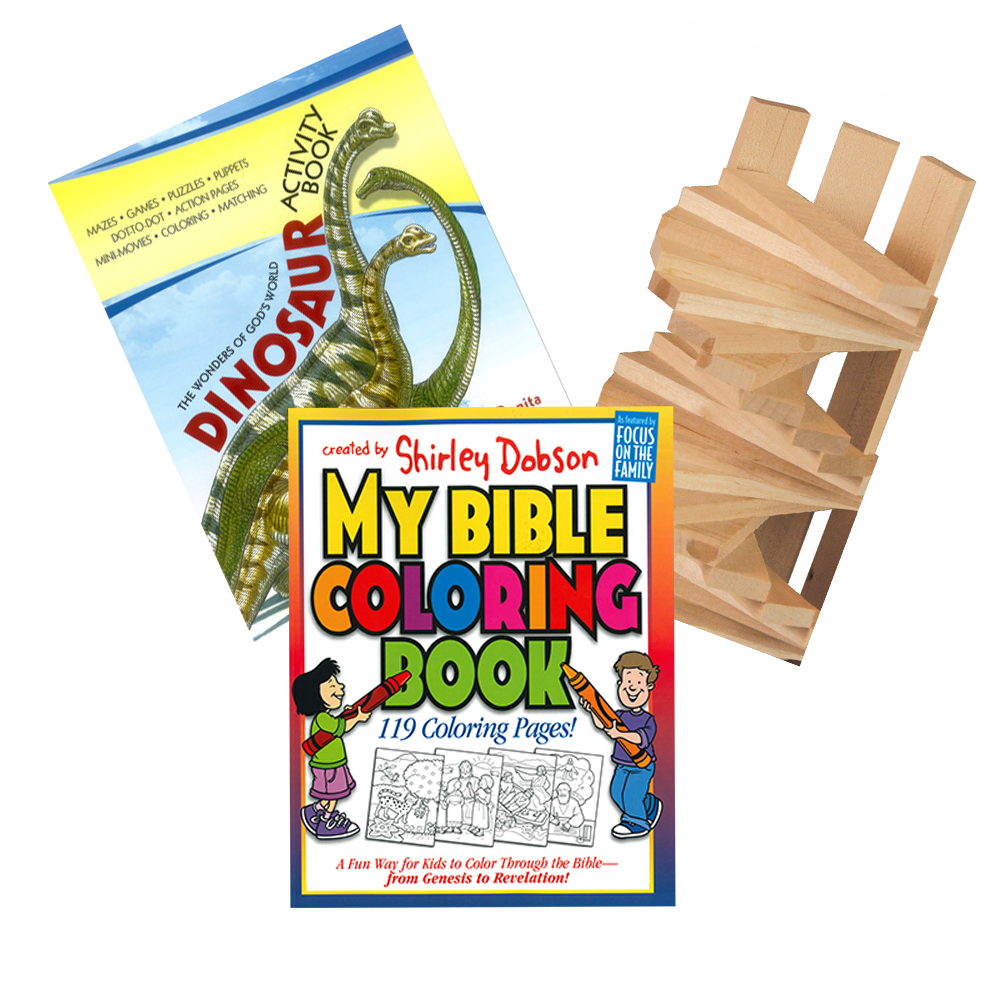
My Father's World is pleased to offer a variety of educational materials, add-ons, and electives to complete your curriculum and enrich your family's learning experience.
Web Content Viewer
Actions